

Dermaplane Add On Gallery
$$MultiPurposeText$$
See examples of our Dermaplane Add On work and results.
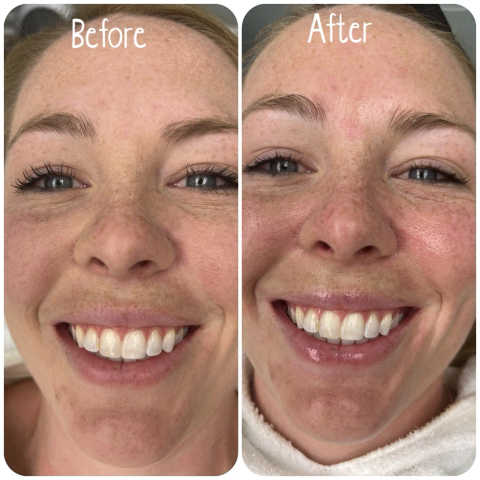
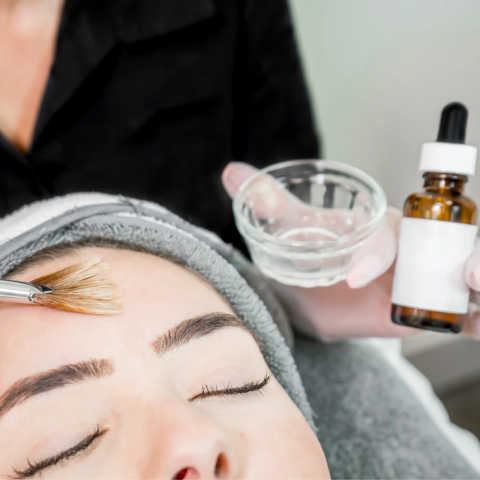
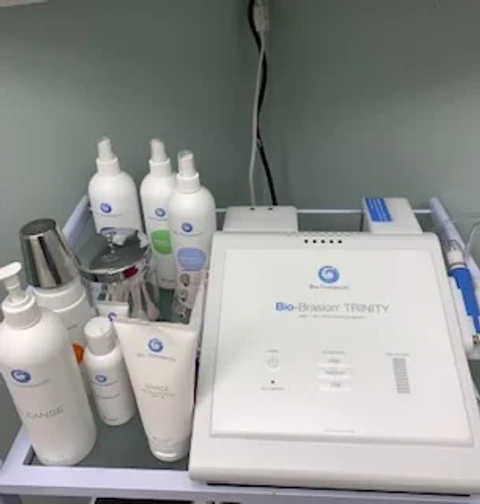






What Our Clients Say
$$MultiPurposeText$$
Read testimonials from our satisfied customers

My experience with Katherine was phenomenal! She was so personable and did such a great jo...more

Visited Katherine Booth at Cobb dermatology for a hydro facial, and it was a wonderful exp...more

Frequently Asked Questions
Get answers to common questions about Dermaplane Add On.
Yes—when performed by a licensed esthetician, dermaplaning is generally safe for most skin types. Those with active acne, rosacea flare-ups, or open wounds should avoid it until healed. A consultation will confirm suitability and any precautions.
The add-on typically adds about 15 to 30 minutes to your facial service, depending on skin condition and whether additional treatments follow. We tailor timing to your needs for a comfortable, thorough experience.
No—dermaplaning removes hair at the surface and does not change its structure. Regrowth remains the same fine vellus hair and often feels softer. Hair typically returns in a few weeks and can be managed with regular treatments.
Most clients benefit from dermaplaning every three to six weeks, aligning with skin cell turnover. Frequency depends on individual hair growth, sensitivity, and goals; your esthetician will recommend the best schedule.
Yes—dermaplaning pairs exceptionally well with Hydrafacials. Removing surface debris improves serum penetration and unveils brighter skin, so combining services enhances hydration, exfoliation, and overall glow with customized timing.
Avoid heavy exfoliants, retinoids, and direct sun exposure for 48 to 72 hours. Use gentle cleansers, hydrating serums, and broad-spectrum SPF daily. We provide a tailored aftercare plan and product recommendations to soothe and protect skin.