

Lash Tint Gallery
$$MultiPurposeText$$
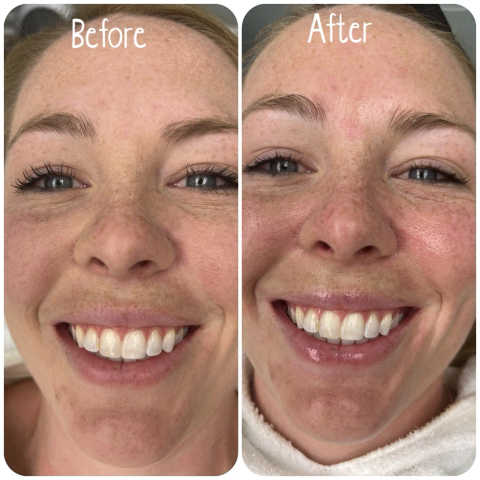
See examples of our Lash Tint work and results.


What Our Clients Say
$$MultiPurposeText$$
Read testimonials from our satisfied customers

My name is Monica! I have been using Katherine for years! I get a dermaplane, facial, chem...more

My dermaplane appointment was amazing!!!!!

Katherine takes her time and goes over the different options available for skincare. She h...more

Katherine did an amazing job on my mom and I. We both went for a dermaplane and our skin l...more

I love going to Katherine's. My skin feels like baby skin when I leave and it glows. She...more

Always love my time here! Excited to the results of my Aura 365

Frequently Asked Questions
Get answers to common questions about Lash Tint.
Most Lash Tints last four to six weeks, depending on your natural lash growth cycle and aftercare. Exposure to oil-based products, frequent cleansing, and eyelash serums can shorten duration. We recommend touch-ups every 4-6 weeks for consistent results.
Yes, generally safe when performed by trained technicians using professional dyes. We perform a consultation, review sensitivities, and recommend a patch test. Contact lens wearers should remove lenses during service and follow aftercare to minimize irritation.
Tint may temporarily stain the eyelid skin or makeup if applied incorrectly, but stains typically fade within one to several days with normal cleansing. Our technicians take precautions and protect skin to prevent transfer and ensure a clean application.
We advise waiting until adhesives and residue are fully removed and the natural lashes have settled—usually 48–72 hours. For safety and best results, a patch test and technician assessment are recommended before tinting post-extension removal.
Arrive with clean, makeup-free eyes; avoid waterproof mascara, oil-based cleansers, and lash serums for 24–48 hours. Bring contact-case and solution if needed. Inform your technician about medications, allergies, or recent eye procedures before the service.
Contraindications include active eye infections, recent eye surgery, allergic reactions to dyes, or ongoing chemotherapy. Pregnant or breastfeeding clients should consult their physician. A pre-treatment consultation and patch test help identify risks and determine suitability.